

When people think about brakes, they often picture it as just one part - but the braking system in your Lincoln is made up of several components working together. Knowing what parts make up your vehicle’s braking system and how they work together can help you recognize when something needs attention and keep your Lincoln performing the way it should. Drivers in Sugar Land, TX, who want to stay ahead of maintenance should find this brakes FAQ a helpful starting point.
What Is the Brake Pedal and Master Cylinder?
Your brakes begin with the brake pedal. When you press it, that force travels to the master cylinder, which converts your foot pressure into hydraulic pressure. The master cylinder pushes brake fluid through the lines to activate the rest of the system.
What Are Brake Lines and Brake Fluid?
Brake lines carry pressurized fluid from the master cylinder to each wheel. They're typically made from steel or reinforced rubber, and they need to be leak-free to work properly. Brake fluid is what moves through those lines and transfers force to the calipers or wheel cylinders. Over time, fluid can absorb moisture, which reduces its effectiveness - so it’s very important to check your brake fluid on a regular basis.
What Are Calipers, Rotors, and Brake Pads?
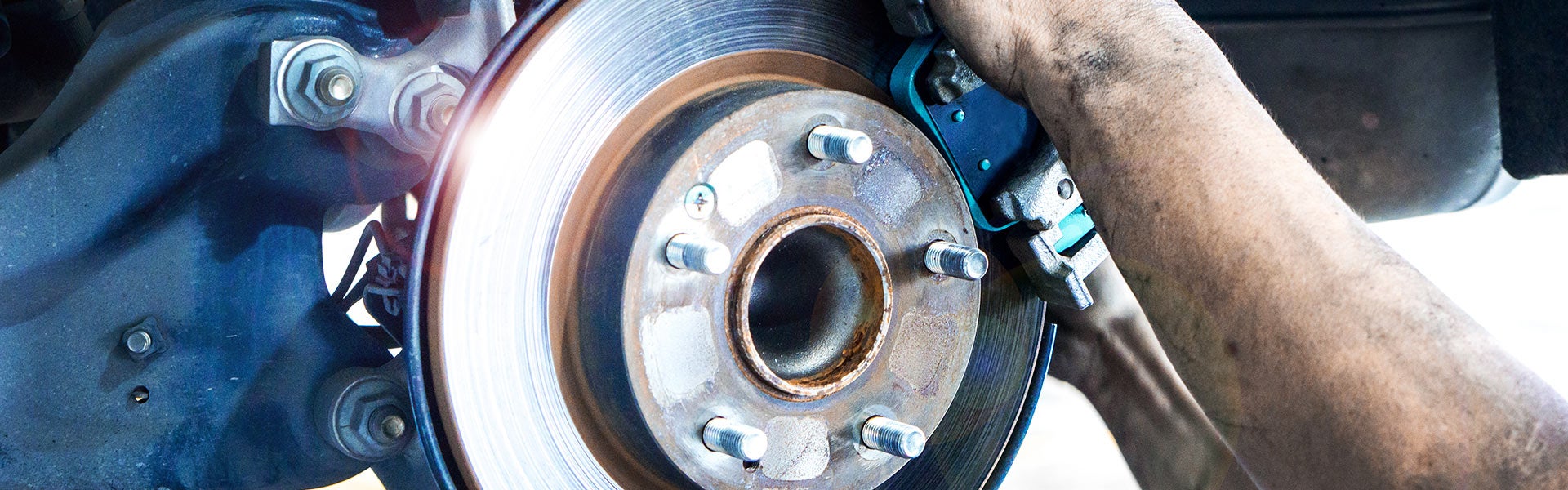
These are the parts of your brakes that actually slow and stop your car. The caliper holds the brake pads and clamps them against the rotor when hydraulic pressure is applied. The rotor is a flat disc that spins with the wheel. When the pads squeeze against it, friction slows the vehicle. Brake pads are designed to wear down over time, which is why they need to be replaced regularly. Worn pads can lead to metal-on-metal contact, which damages rotors and reduces stopping power.
What Is the Parking Brake?
The parking brake - sometimes called the emergency brake - is a separate system that holds the vehicle stationary when parked. On many Lincoln vehicles, this is an electronic system operated by a button or switch rather than a physical lever. It engages a different mechanism than your primary braking system, but it's still an important component to keep in working order.
What is ABS?
The Anti-lock Braking System, or ABS, is a safety feature that prevents the wheels from locking up during hard braking. When you stop suddenly, ABS pulses the brakes rapidly to help you maintain steering control. Most Lincolns come equipped with ABS as a standard feature, and it plays a significant role in helping drivers avoid skids on wet or slippery surfaces.
When Should You Have Your Brakes Inspected?
This is one of the most common questions about brakes, and the answer is simple - don't wait until you notice a problem. Squealing, grinding, vibration when braking, or a soft pedal are all signs that your braking system needs attention. Even without those symptoms, having your brakes checked during regular service intervals is a smart habit. Your Lincoln technicians can assess pad thickness, rotor condition, fluid levels, and caliper function all at once.
Visit West Point Lincoln of Sugar Land for Brake Service
Your brakes are one of the most important safety systems on your vehicle. From the brake pedal to the rotors and calipers, every component plays a role in keeping you and your passengers safe. If you have more questions about brakes or want to schedule an inspection, the team at West Point Lincoln of Sugar Land, TX, is ready to help. Reach out today to set up a service appointment and keep your Lincoln stopping smoothly.
Lincoln Brake System FAQ: What Every Driver Should Know